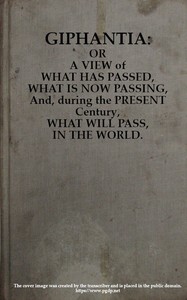
Giphantia by Charles-François Tiphaigne de La Roche
Let's set the scene: it's 1760. The Enlightenment is in full swing, but cameras won't exist for another lifetime. Our unnamed narrator is sailing the Atlantic when a storm throws him overboard. He washes up on the shores of Giphantia, a hidden island ruled by a powerful, secretive group called the Giphantians.
The Story
The Giphantians aren't just advanced—they seem magical. They live in harmony with nature, have perfected their society, and possess one astonishing secret: they can capture visual reality. Using a special sticky canvas and the power of light, they can fix the image of any scene, person, or object permanently. They call these creations 'portraits of nature.' The narrator is shown how it works: light reflects off a subject, travels through a lens, and sticks to the prepared surface. Sound familiar? It's a detailed, accurate description of photographic chemistry written decades before anyone made it real.
The book isn't a thriller with a villain. The conflict is quieter and more philosophical. The narrator explores this perfect society and its greatest invention, wrestling with the implications. What does it mean for truth, for memory, for art? The story feels like a curious dream, mixing travelogue with scientific speculation.
Why You Should Read It
Reading 'Giphantia' is like finding a blueprint for the future in your attic. The sheer predictive power is staggering. But beyond that 'wow' factor, it's a fascinating look at the 18th-century mind trying to imagine a better world through technology. The Giphantians use their image-capturing for peaceful observation and study, a hopeful vision for a new tool.
What really stuck with me was the tone. It's not a dry lecture; it's filled with wonder and a touch of unease. The narrator is amazed but also subtly unsettled by this power to 'trap' a moment. It asks questions we're still dealing with today about reality, representation, and privacy, just with 1760s elegance.
Final Verdict
This book is a must-read for anyone who loves the history of ideas, early science fiction, or just a great 'I can't believe this existed' story. It's perfect for fans of old-school speculative thinkers like Francis Bacon or Cyrano de Bergerac, or modern readers who enjoy books that explore the moment an idea is born. It's short, a bit strange in its pacing, and requires you to slip into an older style of writing. But if you do, you're rewarded with the thrilling experience of watching someone dream up the future before it arrives.
This title is part of the public domain archive. Preserving history for future generations.