
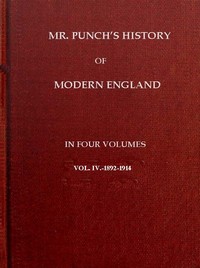
Mr. Punch's History of Modern England, Vol. 4 (of 4).—1892-1914 by Graves
Let's clear something up first: this isn't a traditional history book with a "plot" in the novel sense. The 'story' here is the turbulent, changing world of England in the two decades before the First World War. Author Charles L. Graves acts as our curator, walking us through the pages of Punch magazine, one of the most influential publications of its day. Each chapter covers a year or a major event, pairing the magazine's iconic cartoons with Graves's context. We see the rise of the motorcar (and the jokes about speeding fines), the drama of the suffragette movement (treated with both mockery and grudging respect), the tragedy of the Titanic, and the escalating tensions in Europe that everyone hoped satire could somehow keep at bay.
Why You Should Read It
This book is a secret door into the past. Textbooks tell you what happened; this shows you how it felt. The humor is a perfect barometer of public anxiety and hope. You'll laugh at a cartoon making fun of early fashion trends, then get quiet looking at a 1914 drawing of John Bull staring grimly at a storm cloud labeled "War." The satire isn't always pretty or politically correct by our standards—it's often blunt and biased—but that's what makes it real. Graves is a great companion because he doesn't treat the cartoons as holy relics. He points out when they were mean-spirited, when they missed the mark, and when they were brilliantly prescient. Reading this, you don't just learn history; you experience the national mood, from silly optimism to grim determination.
Final Verdict
This is a perfect pick for history lovers who are tired of the same old narratives. It's also a gem for anyone interested in media, satire, or just great storytelling. You don't need to be a scholar of British history; Graves fills in the blanks. Be prepared for a read that's more like a fascinating, illustrated coffee table book you can dip in and out of than a page-turner you race through. It's for the curious reader who wants to see the cracks and the comedy in the grand portrait of the Edwardian age. Just be warned: you'll start seeing parallels to our own news cycles and political cartoons everywhere.
This is a copyright-free edition. It is available for public use and education.






Nancy Lee
1 year agoHelped me clear up some confusion on the topic.